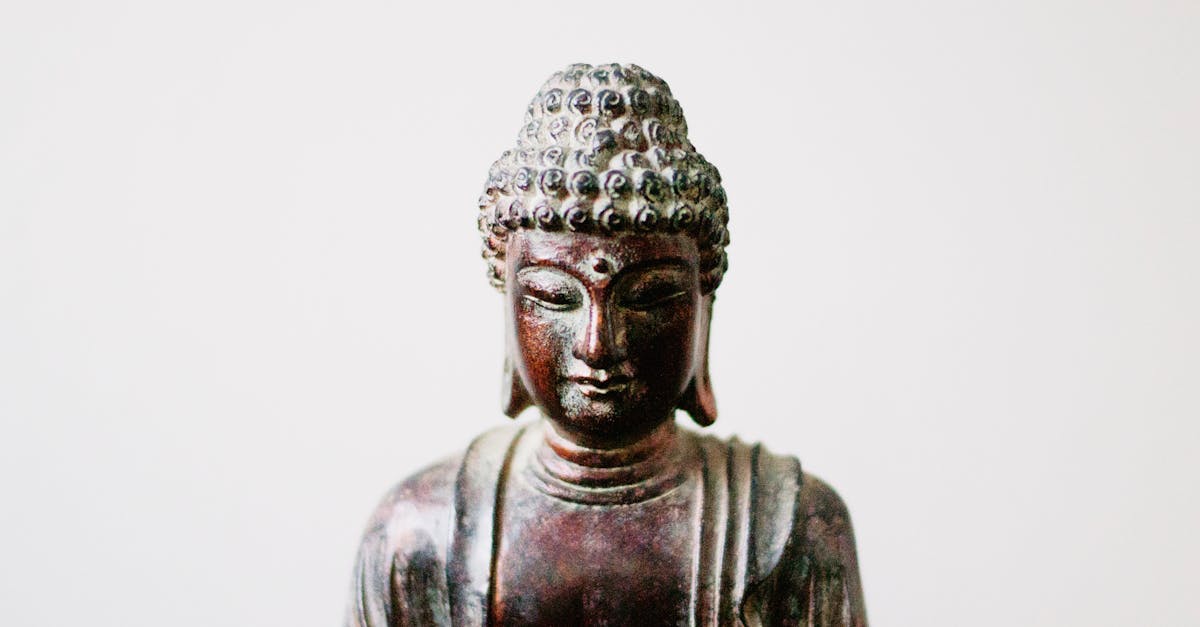
In Short, finding relief from migraines through meditation is a transformative approach that fosters inner peace and alleviates the burden of chronic headache conditions. This method emphasizes various techniques such as mindfulness, guided meditation, and deep breathing, aimed at enhancing overall well-being and reducing migraine severity. By integrating practices available at Pulse Align Clinics, individuals can significantly improve their coping mechanisms and regain control over their health journey. This holistic approach not only empowers people to manage triggers effectively but also provides a comforting space for emotional healing and support, leading to a pain-free and balanced life.
Finding relief from migraines can often seem like an elusive goal. However, Pulse Align meditation offers a holistic approach that fosters inner peace and may help mitigate the symptoms of migraines. By integrating mindfulness practices with effective techniques, such as deep breathing and visual imagery, Pulse Align helps individuals address both the physical and emotional aspects of migraine pain. This innovative meditation approach not only aids in reducing the frequency of headaches but also cultivates a state of calm and tranquility that is essential for overall well-being.
“`html
Find Balance and Comfort with Pulse Align
Pulse Align offers a unique, non-invasive method designed to help restore your body’s natural balance and posture. Through gentle, imperceptible pulses, we assist the body in recalibrating itself, often leading to reduced muscle and joint tension and an enhanced sense of overall well-being. Our approach focuses on fostering optimal muscle tone symmetry, which can positively influence your comfort and daily life.
Enhancing Your Natural Function
At Pulse Align, we emphasize naturally helping your body adjust and thrive without directly addressing pain or medical conditions. Our techniques encourage your body’s natural processes, contributing to a healthier posture and well-being. Clients frequently find that they experience improved comfort and alignment, which can help them feel at ease in their daily activities.
A Personalized Approach for Everyone
We pride ourselves on offering a personalized approach that caters to the unique needs of each client. Many individuals have shared their transformative experiences, noting significant improvements in neck tension and posture after engaging with our services. The positive feedback reflects how our focus on comfort and balance can lead to noticeable enhancements in everyday life.
Explore Locations and Book Your Consultation
Are you ready to reclaim your sense of balance and well-being? Visit the Pulse Align website to learn more about our gentle services and explore nearby clinic locations in cities such as Montreal, La Prairie, Mont-Royal, Terrebonne, and beyond. Whether you’re a busy family or seeking support for your own journey, we welcome you to start your path towards improved wellness.
Remember, while Pulse Align complements your existing wellness practices, we encourage all clients to remain under the supervision of their healthcare team. Your wellness journey begins today with Pulse Align—a safe, non-invasive, and family-friendly approach to promoting balance and comfort.
Mindfulness: Enhances awareness of emotional and physical states, reducing stress.
Deep Breathing Techniques: Promotes relaxation and eases tension in the body.
Visual Imagery: Uses calming visuals to create mental clarity and peace.
Guided Meditations: Tailored sessions specifically aimed at headache relief.
Posture Correction: Encourages awareness of body alignment during meditation.
Community Support: Connects individuals on their wellness journeys, fostering encouragement.
Core Strengthening: Improves overall physical stability and reduces migraine triggers.
Aromatherapy: Utilizes essential oils to enhance the meditation experience.
Regular Sleep Patterns: Establishes practices promoting better rest and recovery.
Personalized Health Plans: Tailored approaches to individual needs enhance effectiveness.
“`html
Chronic migraines are an all-too-common challenge that affects millions, leading individuals to seek effective relief strategies. One innovative approach that has gained attention is meditation, particularly through the techniques fostered by Pulse Align. This article explores how meditation can promote inner peace, alleviate migraine symptoms, and enhance overall well-being by integrating mindful practices into daily life.
The Power of Mindfulness in Migraine Relief
Meditation encourages mindfulness, a practice that helps individuals focus on the present moment. By dedicating time to meditate, individuals can shift their attention away from pain and discomfort. Mindfulness meditation has been shown to reduce the perception of pain, lower stress levels, and improve emotional regulation. For migraine sufferers, this can be especially beneficial as stress is a known trigger for migraines.
Deep Breathing Techniques for Relaxation
One effective meditation method involves deep breathing techniques. Deep breathing helps to activate the body’s relaxation response, decreasing muscle tension and reducing headache triggers. By slowing the breath and focusing on its rhythm, individuals can create a calming environment, both mentally and physically. Practicing this technique regularly can train the body to respond to stress with relaxation rather than tension, potentially lessening the impact of migraine triggers.
Gentle Movement and Meditation
Incorporating gentle movement, such as yoga or tai chi, into meditation practices can enhance the benefits of meditation. These movements not only promote physical health but also help improve posture, which is crucial for individuals prone to tension headaches. The gentle stretching combined with mindfulness can foster a sense of body awareness, helping individuals recognize areas of tension before they develop into migraine pain.
Visual Imagery: A Calming Tool
Visual imagery is another technique that can be integrated into meditation. By picturing tranquil scenes or imagining the release of tension from the body, individuals can cultivate a soothing mental space. This practice not only aids in relaxation but can also empower individuals to visualize themselves free from pain, contributing to positive mental health.
Community Support and Holistic Approaches
Joining a supportive community can be instrumental in the journey of managing migraines. Engaging with others who understand the struggles of chronic pain can foster a sense of belonging and encourage sharing successful coping strategies. Pulse Align emphasizes the importance of community, inviting individuals to connect and share experiences, which can lead to enriched learning and collective healing.
A Holistic Approach to Migraine Management
Meditation, together with other holistic practices such as essential oils and herbal remedies, can create a well-rounded approach to migraine relief. Techniques such as aromatherapy have been shown to evoke relaxation and aid in stress reduction, further complementing meditation practices. Additionally, integrating these holistic methods with professional guidance from healthcare providers can enhance their effectiveness.
Embracing Inner Peace and Well-Being
Incorporating meditation into daily routines can cultivate a profound sense of inner peace and support the body’s innate healing processes. By fostering mindful habits, individuals not only address their migraine symptoms but also enhance their overall quality of life. The integrated techniques offered by Pulse Align empower individuals to take control of their health, promoting neuromuscular balance and nervous system recalibration.
Aspect
Pulse Align Meditation Benefits
Focus
Enhances mental clarity and reduces overwhelming sensations.
Emotional Balance
Promotes a calm and centered emotional state, aiding stress management.
Wellness Integration
Encourages harmonious blending of body and mind for overall wellness.
Natural Recalibration
Supports the body’s intrinsic ability to restore balance and ease.
Breathing Techniques
Utilizes mindful breathing to promote relaxation and reduce tension.
Community Support
Facilitates connections with others on similar wellness journeys.
Core Strengthening
Incorporates gentle movements that enhance physical stability and support.
Posture Awareness
Encourages mindfulness of body alignment to foster a feeling of ease.
Mind-Body Connection
Enhances awareness of bodily sensations, supporting early recognition of discomfort.
Holistic Well-being
Combines meditation practices with lifestyle adjustments for comprehensive health benefits.
Client Testimonials: Embracing Wellness Journeys with Pulse Align
Clients from various regions have found profound relief from their migraines through Pulse Align’s innovative meditation techniques. In Mont-Royal, many have expressed how these practices foster inner peace and significantly contribute to their overall wellness journey. One client shared, “Since starting with Pulse Align, I’ve experienced a remarkable shift in my ability to manage my migraines. The meditation techniques not only calm my mind but have also restored a sense of balance in my body.” This holistic approach emphasizes the body’s natural ability to recalibrate, allowing individuals to reconnect with their health in a truly transformative way.
In La Prairie, clients seeking relief from chronic headaches have reported substantial improvements in their symptoms after integrating Pulse Align’s meditation into their routines. A satisfied participant stated, “The supportive environment and tailored techniques made all the difference for me. I’ve finally been able to manage my migraine episodes instead of feeling powerless against them.” Such testimonies underline the potent impact of Pulse Align’s unique approach in creating a supportive community for all facing similar challenges.
Terrebonne clients echo similar sentiments, encouraging others to experience the benefits firsthand. “The meditation practices helped me reclaim my health and foster a sense of tranquility that I thought was lost forever,” remarked one individual. This emphasis on fostering emotional and physical balance through meditation resonates deeply with clients, reinforcing the significance of Pulse Align’s holistic methods.
Additionally, clients from Sainte-Marie and Les Escoumins have shared their success stories: “I’ve learned to tap into my body’s wisdom and find relief naturally through the meditation sessions offered at Pulse Align,” one client noted. Reviews reflect a growing awareness among clients in these areas that Pulse Align does more than just treat migraines; it encourages a comprehensive understanding of wellness. This has led many to embrace the calming techniques as part of a broader self-care routine.
As Pulse Align works collaboratively with healthcare teams, it enhances aid for local clients on their wellness journey, ensuring comprehensive support for individuals and families. To discover more about how Pulse Align can assist in improving your health and balance, visit Our Clinics and explore the services available near you. Empower your wellness journey today!
Migraine sufferers often find themselves navigating a labyrinth of pain, uncertainty, and frustration. The search for effective relief can feel overwhelming, particularly as traditional treatments may fall short. However, innovative approaches, such as Pulse Align meditation, have emerged as promising pathways to managing and alleviating migraine symptoms while promoting overall well-being. This transformative practice integrates mindfulness techniques with advanced therapeutic approaches, offering individuals a holistic solution to their chronic pain struggles.
At the forefront of these innovations is Dr. Sylvain Desforges, a distinguished expert in osteopathy, naturopathy, and manual medicine. As the founding president of TAGMED clinics and the ACMA association, Dr. Desforges has dedicated his career to exploring healthcare solutions that prioritize patient-centered outcomes. His work focuses on chronic pain management, a critical area of concern for many migraine sufferers. By merging traditional medical knowledge with modern technology, he fosters a comprehensive understanding of how various therapies can be utilized to optimize health and well-being.
Dr. Desforges’ mission is fueled by a passion for providing evidence-based care. Under his leadership, TAGMED clinics have incorporated advanced technologies, such as spinal decompression, laser therapy, and shockwave therapy. These innovative treatments not only address the physical dimensions of pain but also create an environment that supports mental and emotional health. Recognizing that migraines are often linked to stressors both internal and external, Dr. Desforges advocates for integrative practices that encapsulate both body and mind.
One such holistic approach gaining traction in recent years is Pulse Align meditation. This method encourages participants to practice mindfulness, utilizing techniques that cultivate awareness, reduce stress, and promote relaxation. By focusing on the present moment, individuals can diminish the frequency and intensity of migraines. It provides a safe space for sufferers to reconnect with their inner selves, augmenting their journey toward healing.
The integration of meditation into pain management is not merely complementary; it is a strategic element. By implementing mindfulness-based practices, patients learn to identify and navigate the early signs of a migraine. Deep breathing techniques and guided visualizations enhance mental clarity, enabling sufferers to more effectively combat the triggers that may precipitate migraine attacks. Furthermore, Pulse Align meditation fosters a sense of community that connects individuals with similar experiences, offering support and validation along the way.
Accessibility is a cornerstone of Dr. Desforges’ philosophy. He aims to create an environment where advanced healthcare solutions, including TAGMED clinics and mindfulness practices, are available to all. His approach dismantles barriers to care, ensuring that patients from various backgrounds can engage with his services. Whether located in Montreal, Terrebonne, or Mont-Royal, individuals seeking relief from migraines can find transformative therapies tailored to their unique needs.
In summary, Dr. Sylvain Desforges exemplifies the powerful intersection of traditional healthcare and modern advancements. Through his expertise and commitment to patient-centered care, Pulse Align meditation emerges as a vital technique, fostering inner peace and providing relief for migraine sufferers. In a world where chronic pain persists, approaches like these signal a hope for individuals clamoring for solutions that affirm their right to wellness and tranquility.
Understanding Neurovertebral Decompression Therapy by TAGMED
Mécanisme d’action
The neurovertebral decompression therapy offered by TAGMED operates by applying a carefully controlled and progressive traction force to the spine. This innovative technique involves a series of gentle, non-invasive adjustments that create a dynamic environment for spinal health. By increasing the space between vertebrae, it significantly reduces pressure on intervertebral discs and nerve roots, which is crucial for alleviating symptoms associated with conditions such as disc herniation, bulging discs, and moderate to severe spinal or foraminal stenosis.
This process is essential for improving fluid circulation in the targeted areas of the spine, thereby facilitating nutrient exchange and waste removal. As pressure is relieved, inflammation decreases, which directly contributes to pain relief and enhances the body’s ability to heal itself. The overall function of the spine improves as the natural alignment is restored, promoting better movement and reducing discomfort.
Avantages spécifiques
The non-invasive nature of TAGMED’s neurovertebral decompression technique provides several benefits for patients suffering from chronic pain and associated symptoms. This method effectively addresses discomfort caused by various spinal conditions without the need for invasive surgical procedures or reliance on medication.
Some specific advantages include:
Pain Relief: The reduction in pressure on nerve structures diminishes pain symptoms frequently associated with herniated discs and spinal stenosis.
Improved Mobility: Enhanced circulation of fluids helps restore flexibility and elevates overall mobility, allowing patients to regain their range of motion.
Accelerated Recovery: By fostering a conducive healing environment, patients often experience a quicker recovery process, enabling a return to normal activities sooner.
Comparaison avec d’autres traitements
When comparing TAGMED’s neurovertebral decompression therapy with other conventional treatment methods, several important distinctions emerge. Traditional interventions such as pain medications, corticosteroid injections, and invasive surgical options often carry risks and side effects that can complicate recovery. In contrast, neurovertebral decompression offers a safer alternative.
Unlike surgical procedures, this therapy presents:
No Invasive Interventions: As a non-surgical approach, it minimizes the risks associated with anesthesia and post-surgical complications.
Reduced Medication Risks: Patients can reduce reliance on pain medications, which can have numerous side effects and lead to dependency.
Faster Recovery Times: Many patients report a quicker return to their daily routines compared to those recovering from surgical procedures or enduring prolonged rehabilitation.
Études de cas ou témoignages
Numerous patients have successfully experienced relief through TAGMED’s neurovertebral decompression therapy. For instance, one patient shared that after several sessions, they noticed a significant reduction in their chronic lower back pain, allowing them to engage in activities they once loved, such as hiking and playing with their children. Another patient remarked, “I had been living with herniated disc pain for years; this treatment has transformed my life. I am back at work without the constant discomfort I endured before.”
These testimonials highlight the therapy’s ability to provide lasting pain relief and show how patients can return to their daily activities with renewed vigor and minimal medication dependence.
Migraines can significantly disrupt daily life, leaving individuals in search of effective remedies. The unique approach offered by Pulse Align, particularly through its meditation techniques, emphasizes the importance of both mental and physical harmony. By integrating mindful practices into migraine management, clients can not only attain relief from painful symptoms but also cultivate a sense of inner tranquility.
The role of meditation in migraine relief cannot be overstated. Techniques such as deep breathing and guided imagery have proven effective in reducing stress, a noted trigger for many migraine sufferers. These practices allow individuals to tap into their body’s natural relaxation response, which is essential for alleviating the tension that often fuels migraine attacks.
Moreover, Pulse Align’s holistic approach extends beyond just mental tranquility. The incorporation of neuromuscular support and posture correction can assist in addressing the physical aspects of migraine triggers. Individuals frequently report that improved alignment and muscle balance not only enhance their overall wellness but also reduce the intensity and frequency of migraine episodes.
Engaging with community support through Pulse Align further enriches the learning process. Sharing experiences with others who face similar challenges fosters a sense of belonging. This supportive environment can be pivotal for those navigating the complexities of migraines, as it reinforces that they are not alone in their journey towards recovery.
With Pulse Align’s innovative meditation techniques at the forefront of migraine management, many patients find they are better equipped to handle their conditions. As they embrace this comprehensive approach, they not only reclaim their health but also nurture their inner peace, ultimately paving the way for a more balanced and fulfilling life.
Do you suffer from a chronic condition that responds little or not at all to conservative treatments?
Pulse Align is an innovative, non-invasive method designed to support your body’s natural balance and posture through gentle, imperceptible pulses. This unique approach emphasizes the body’s inherent ability to recalibrate itself, which can lead to a harmonious state of being free from discomfort and tension. By focusing on muscle tone symmetry, Pulse Align may provide a pathway to improved overall well-being, making it an excellent choice for those seeking natural solutions.
At Pulse Align, we strive to enhance your body’s natural alignment without directly addressing discomfort. By promoting muscle tone symmetry, our clients often report experiencing amazing improvements in their overall comfort and posture. This gentle recalibration allows your body to respond to its intrinsic healing processes, fostering a supportive environment where you can thrive.
Our personalized approach means that each client at Pulse Align can share their unique experiences and expectations. Many clients have shared testimonials expressing their satisfaction with the notable enhancements they’ve noticed post-sessions. From a greater sense of balance to a decrease in tension, our methodologies have resonated with clients, encouraging them to reclaim their well-being naturally. This holistic approach can even extend to the entire family, creating a nurturing environment for all members, including children and expectant mothers.
If you are ready to explore how Pulse Align can support you, please visit our website to learn more about our services and discover nearby locations in cities such as La Prairie, Mont-Royal, Terrebonne, Châteauguay, Saint-Jérôme, and many others. Booking a consultation is easy and can be done online, so you and your family can embark on a journey toward improved wellness and balance. Remember, Pulse Align complements your existing healthcare services and remains dedicated to helping you achieve harmony without replacing medical care.
To discover the transformative benefits of Pulse Align’s safe, non-invasive, and family-friendly approach, visit Pulse Align and book your appointment today!
Frequently Asked Questions
Headache and Migraine
Can migraines be mistaken for other conditions?
Yes, some migraines mimic stroke or sinusitis symptoms. A medical diagnosis may be needed.
Does dehydration cause headaches?
Yes, inadequate hydration can trigger headaches and worsen migraines.
Can lack of sleep cause migraines?
Yes, insufficient or poor-quality sleep is a common migraine trigger.
What are common causes of headaches?
Stress, fatigue, dehydration, muscle tension, sleep disorders, or too much caffeine can trigger a headache.
Should I avoid physical exertion during a migraine?
Intense activity may worsen the attack; rest in a quiet, dark room is often recommended.
Are alternative therapies (acupuncture) useful?
Some find relief with acupuncture, though effectiveness varies among individuals.
Do sunglasses help during a migraine?
Yes, they reduce light sensitivity and partially alleviate symptoms.
Does bright light trigger migraines?
Yes, light sensitivity is common, and bright light can worsen a migraine attack.
Do migraines increase stroke risk?
Migraines with aura slightly raise stroke risk, especially in women who smoke and use hormonal contraception.
How to differentiate a migraine from a tension headache?
Tension headaches cause diffuse, moderate pressure. Migraines are often more severe, pulsating, one-sided, and accompanied by associated symptoms.
Simon Bertrand is dedicated to shining a light on the hidden struggles of chronic headaches. As a Headache Awareness Advocate at Pulse Align, he combines compassionate storytelling with cutting-edge research to bring clarity, comfort, and hope to those affected. Simon’s mission is to empower readers with knowledge, break through stigma, and foster a supportive community where every voice is heard. When he’s not crafting insightful articles, Simon can be found exploring the latest wellness trends, sharing practical coping strategies, or simply lending a listening ear to those in need. His heartfelt approach and unwavering commitment to awareness make him a trusted ally for anyone navigating life with headaches.
Medical Disclaimer
The information and advice provided on this site do not replace the advice, diagnosis, or treatment of a healthcare professional. Please note that the author of this article is neither a doctor nor a specialist in a medical specialty as defined by the Collège des médecins du Québec. Manual medicine, functional medicine, and sports medicine as described on this site exclude any medical treatment or diagnosis made by a doctor or medical specialist. Always consult your doctor for any medical questions. For more details, please read our complete Legal Notice.
Al-Khazali, H. M., Al-Sayegh, Z., Younis, S., Christensen, R. H., Ashina, M., Schytz, H. W., & Ashina, S. (2024). Systematic review and meta-analysis of Neck Disability Index and Numeric Pain Rating Scale in patients with migraine and tension-type headache. Cephalalgia, 44(8), 03331024241274266. https://doi.org/10.1177/03331024241274266
Fernández‐de‐las‐Peñas, C., Cuadrado, M. L., & Pareja, J. A. (2007). Myofascial Trigger Points, Neck Mobility, and Forward Head Posture in Episodic Tension‐Type Headache. Headache: The Journal of Head and Face Pain, 47(5), 662–672. https://doi.org/10.1111/j.1526-4610.2006.00632.x
Fernández-de-las-Peñas, C., Madeleine, P., Caminero, A., Cuadrado, M., Arendt-Nielsen, L., & Pareja, J. (2010). Generalized Neck-Shoulder Hyperalgesia in Chronic Tension-Type Headache and Unilateral Migraine Assessed by Pressure Pain Sensitivity Topographical Maps of the Trapezius Muscle. Cephalalgia, 30(1), 77–86. https://doi.org/10.1111/j.1468-2982.2009.01901.x
Luedtke, K., Starke, W., & May, A. (2018). Musculoskeletal dysfunction in migraine patients. Cephalalgia, 38(5), 865–875. https://doi.org/10.1177/0333102417716934
Lin, L.-Z., Yu, Y.-N., Fan, J.-C., Guo, P.-W., Xia, C.-F., Geng, X., Zhang, S.-Y., & Yuan, X.-Z. (2022). Increased stiffness of the superficial cervical extensor muscles in patients with cervicogenic headache: A study using shear wave elastography. Frontiers in Neurology, 13, 874643. https://www.frontiersin.org/articles/10.3389/fneur.2022.874643/full
Kolding, L. T., Do, T. P., Ewertsen, C., & Schytz, H. W. (2018). Muscle stiffness in tension-type headache patients with pericranial tenderness: A shear wave elastography study. Cephalalgia Reports, 1, 2515816318760293. https://doi.org/10.1177/2515816318760293
Balaban, M., Celenay, S. T., Lalecan, N., Akan, S., & Kaya, D. O. (2024). Morphological and mechanical properties of cervical muscles in fibromyalgia with migraine: A case-control study. Musculoskeletal Science and Practice, 74, 103185. https://www.sciencedirect.com/science/article/pii/S2468781224002807
Al-Khazali, H. M., Younis, S., Al-Sayegh, Z., Ashina, S., Ashina, M., & Schytz, H. W. (2022). Prevalence of neck pain in migraine: A systematic review and meta-analysis. Cephalalgia, 42(7), 663–673. https://doi.org/10.1177/03331024211068073
Martínez-Merinero, P., Aneiros Tarancón, F., Montañez-Aguilera, J., Nuñez-Nagy, S., Pecos-Martín, D., Fernández-Matías, R., Achalandabaso-Ochoa, A., Fernández-Carnero, S., & Gallego-Izquierdo, T. (2021). Interaction between pain, disability, mechanosensitivity and cranio-cervical angle in subjects with cervicogenic headache: A cross-sectional study. Journal of Clinical Medicine, 10(1), 159. https://www.mdpi.com/2077-0383/10/1/159
Choi, S.-Y., & Choi, J.-H. (2016). The effects of cervical traction, cranial rhythmic impulse, and Mckenzie exercise on headache and cervical muscle stiffness in episodic tension-type headache patients. Journal of Physical Therapy Science, 28(3), 837–843. https://www.jstage.jst.go.jp/article/jpts/28/3/28_jpts-2015-893/_article/-char/ja/
Fernández-de-las-Peñas, C., Cuadrado, M., & Pareja, J. (2006). Myofascial Trigger Points, Neck Mobility and Forward Head Posture in Unilateral Migraine. Cephalalgia, 26(9), 1061–1070. https://doi.org/10.1111/j.1468-2982.2006.01162.x
Hvedstrup, J., Kolding, L. T., Ashina, M., & Schytz, H. W. (2020). Increased neck muscle stiffness in migraine patients with ictal neck pain: A shear wave elastography study. Cephalalgia, 40(6), 565–574. https://doi.org/10.1177/0333102420919998
Aoyama, N. (2021). Involvement of cervical disability in migraine: a literature review. British Journal of Pain, 15(2), 199–212. https://doi.org/10.1177/2049463720924704
Ashina, S., Bendtsen, L., Lyngberg, A. C., Lipton, R. B., Hajiyeva, N., & Jensen, R. (2015). Prevalence of neck pain in migraine and tension-type headache: A population study. Cephalalgia, 35(3), 211–219. https://doi.org/10.1177/0333102414535110
Florencio, L. L., De Oliveira, A. S., Carvalho, G. F., Tolentino, G. D. A., Dach, F., Bigal, M. E., Fernández‐de‐las‐Peñas, C., & Bevilaqua Grossi, D. (2015). Cervical Muscle Strength and Muscle Coactivation During Isometric Contractions in Patients With Migraine: A Cross‐Sectional Study. Headache: The Journal of Head and Face Pain, 55(10), 1312–1322. https://doi.org/10.1111/head.12644
Calhoun, A. H., Ford, S., Millen, C., Finkel, A. G., Truong, Y., & Nie, Y. (2010). The Prevalence of Neck Pain in Migraine. Headache: The Journal of Head and Face Pain, 50(8), 1273–1277. https://doi.org/10.1111/j.1526-4610.2009.01608.x
Yu, Z., Wang, R., Ao, R., & Yu, S. (2019). Neck pain in episodic migraine: a cross-sectional study. Journal of Pain Research, Volume 12, 1605–1613. https://doi.org/10.2147/JPR.S200606
We use cookies to ensure that we give you the best experience on our website. If you continue to use this site we will assume that you are happy with it. Privacy policy